DDIA
-Oct 23, 2026
In an effort to understand how U.S. Latino voters perceive AI and data centers, the Digital Democracy Institute of the Americas (DDIA) partnered with YouGov to explore how U.S. Latino registered voters use and trust AI, weigh the local benefits and costs of data centers, and think about AI and data centers’ broader impact on society and the 2026 elections, among other topics.
Read More
DDIA
-Oct 21, 2026
With just over two weeks until the November 3 midterms, a new wave of false and misleading claims is targeting election procedures, political figures and the integrity of the vote: fabricated statements attributed to Elon Musk and Pope Leo XIV, a satirical story presented as a Trump accusation against Ukraine, misleading warnings about mail-in ballots and fake news reports about musicians. DDIA reviews six cases debunked by Snopes, AFP Fact Check and Lead Stories and the familiar pattern they follow.
Read More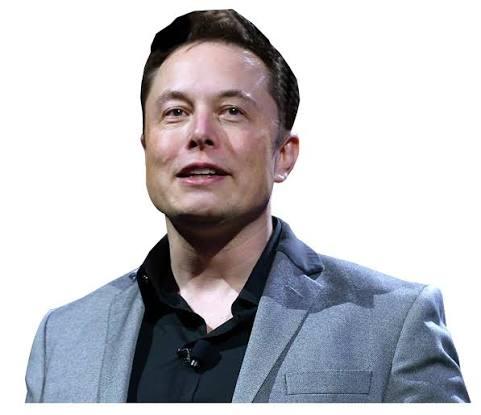
DDIA
-Oct 21, 2026
Spanish-language social media conversations show Latino audiences closely tracking the money behind the U.S. midterms, from Elon Musk's $276 million for Republicans to Barack Obama's and Alexandria Ocasio-Cortez's fundraising for Democrats and questionable donations in Texas and Michigan. DDIA's analysis found skepticism toward billionaire donors, enthusiasm for grassroots fundraising and outrage over unethical practices, with partisan lenses deciding whether the same financial activity is celebrated or condemned.
Read More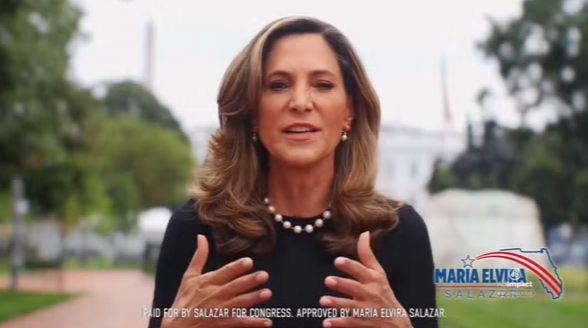
DDIA
-Oct 21, 2026
After criticizing President Donald Trump's immigration policies in a video, Rep. Maria Elvira Salazar (R-Fla.), who is seeking reelection, captured the attention of Spanish-speaking social media users with a striking claim: Trump would support her Dignity Act, legislation offering legal protections to certain undocumented immigrants. Salazar, however, provided no evidence of the president's backing.
Read More
DDIA
-Oct 14, 2026
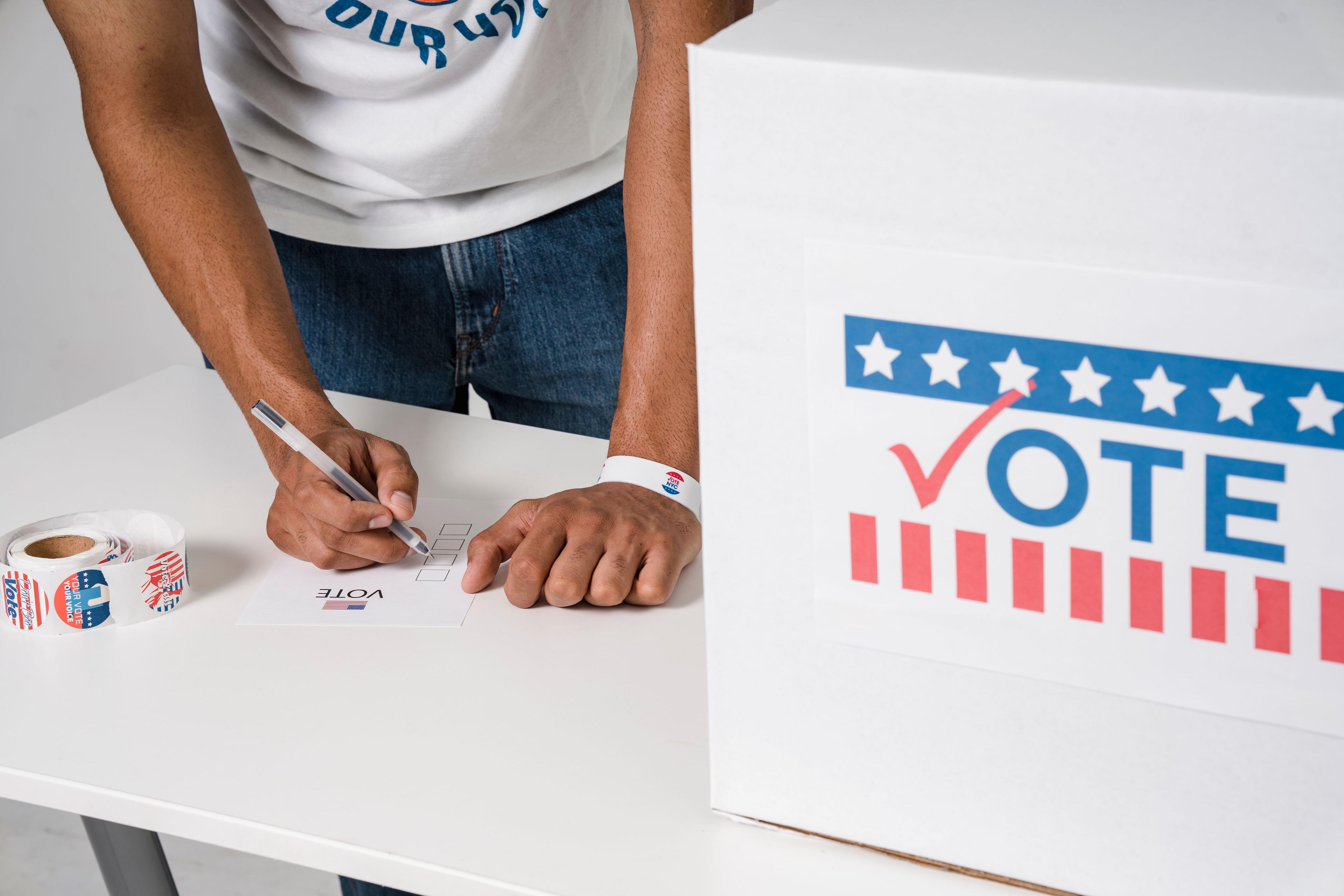
The November 3 midterms are just three weeks away, but claims of election fraud are already making a comeback (especially in English) in five states with significant Latino populations: Arizona, California, Michigan, Florida and Texas. DDIA's monitoring this week reveals how familiar conspiracy theories about stolen votes, noncitizen voting, and compromised voting machines are being recycled and repackaged around fresh controversies, lawsuits and routine election procedures. The goal? To make Americans question whether they can trust their elections before a single vote is counted. But we've seen this playbook before, both in the United States and across Latin America. By understanding how these narratives work, we can expose their flaws, debunk misleading claims, and help voters recognize the next wave of election disinformation before it spreads.
Read More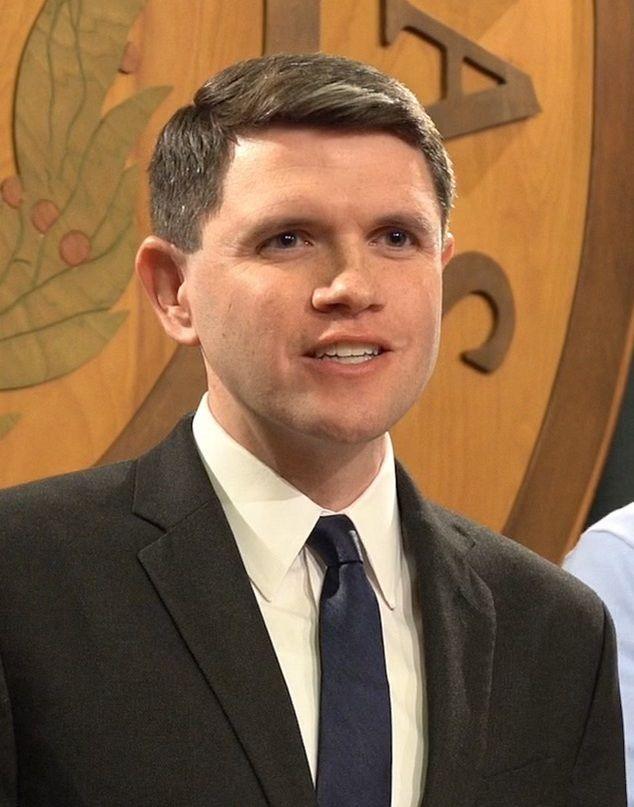
DDIA
-Oct 14, 2026
Texas Democratic Senate candidate James Talarico missed campaign events because of the flu, but conservative social media turned his absence into a conspiracy theory about psychiatric hospitalization just weeks before the midterms. DDIA’s monitoring reveals how the unfounded story jumped from English-language Telegram channels to Spanish-language accounts, picking up false allegations of attempted suicide and withdrawal from the race before corrections could catch up.
Read More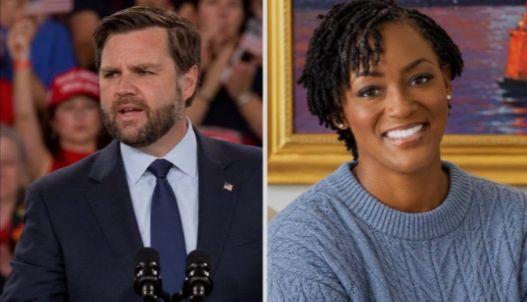
DDIA
-Oct 8, 2026
Vice President J.D. Vance’s declaration that Democratic Senate candidate Angie Nixon should “get the hell out” of the United States because of her ties to democratic socialism injected a familiar Republican strategy into Florida’s 2026 Senate race: using fear of socialism as a political weapon. DDIA analyzed Latinos’ reactions to it.
Read More