Did you catch our latest coverage of U.S. Spanish-language viral reactions to the halftime show? Sign up for REDESCover for weekly updates on content breaking out on social media and messaging apps among Latinos.
The Art of Bad Bunny – in the Eye of the Beholder
Bad Bunny’s Super Bowl LX Halftime Show wasn’t a lecture or a campaign speech. It didn’t pause to explain itself, translate itself, or tone itself down. And yet, almost immediately, it was picked apart on social media and messaging apps as a point of pride, politically polarizing, or, depending on who was watching, as an affront to some version of the American experience.
Whether an homage to Puerto Rico, a celebration of Latino culture, “a slap in the face to our country,” or something in between, reactions online show people interpreted the event through their own assumptions, values, identities, and biases. These are, per DDIA research, some of the most effective drivers of how we engage with information, and misinformation, on social media.
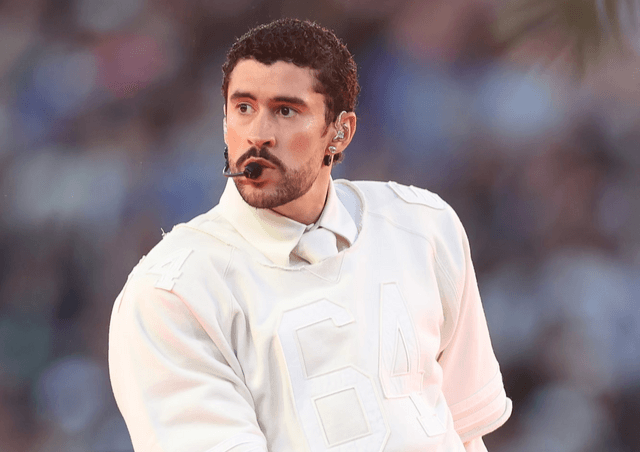
From people thinking Benito’s “Ocasio” jersey symbolized support for Rep. Alexandria Ocasio-Cortez (here and here) to people claiming Liam Conejo Ramos was the little boy with the Grammy, reactions said a lot about our collective ability to see what we want to see.
Art, performance art, and false claims about said art, are - at the end of the day - in the eye of the beholder (and of those who identify most with their preferred beholders).
For many Latinos the performance offered connection. The cultural references didn’t land the same way for Americans with Mexican, Dominican, Brazilian, Cuban, Colombian, Venezuelan, Central American, Caribbean, mixed, diasporic ties but many Latinos felt, in some way, seen. The performance didn’t hinge on a single version of Latinidad. Some viewers saw home. Some felt comfort in the language. Some thought of dance floors they grew up [falling asleep] on, summer nights, cousins, or the music that always gets played too loud in the car.
The backlash and the declarations that the show was “too much” weren’t really responses to hidden “fuck yous” embedded in the performance, either. They seemed more like reactions to encountering a version of American culture that was different than one’s own experiences. For some, Spanish alone read as defiance. For others, as an exclusion. The same choreography was seen as liberation or impropriety, as celebration or threat.
Bad Bunny showed up as himself. He told stories, spoke truth to power in his own way, and didn’t pause to contextualize every reference or switch to English to reassure anyone watching at home. He didn’t need to. This cultural moment exposed how quickly we fill in the gaps, how easily interpretation turns into misinformation, and how ready we are to believe narratives that confirm who we think we are, and who we think “they” are. In that sense, a cultural moment like this one quickly becomes a mirror of the divisions and flaws at the intersection of the human psyche and the information ecosystems that influence what we see, think, and feel.
Said another way, the halftime show didn’t have to tell us WHAT to think. But it certainly showed us HOW we already do.