This article was also published in REDESCover, DDIA’s weekly newsletter. Click here to subscribe and get the next edition delivered straight to your inbox.
Following the November 3 U.S. midterms, some Spanish- and Portuguese-speaking social media users seem more interested in the looks of newly elected Democratic senators than in their legislative agendas. Jon Ossoff, James Talarico, and Abdul El-Sayed inspired flirtatious comments, comparisons, and even discussions of their presidential potential. In this conversation, artificial intelligence played an important role.
Beyond the jokes and emojis, there's an interesting gender double standard to be discussed here. For these men, attractiveness seems to enhance political charisma. Their looks – in some cases enhanced by AI – are celebrated alongside their intelligence, confidence, and electoral success. But imagine a newly elected female senator being described as a "sex symbol" or having her "sex appeal" presented as an electoral platform. Would the reaction be equally playful?
Women in politics have long faced scrutiny over their bodies, clothes, and appearance, often at the expense of their qualifications. For their male counterparts, at least in these posts, being attractive is just another political asset.
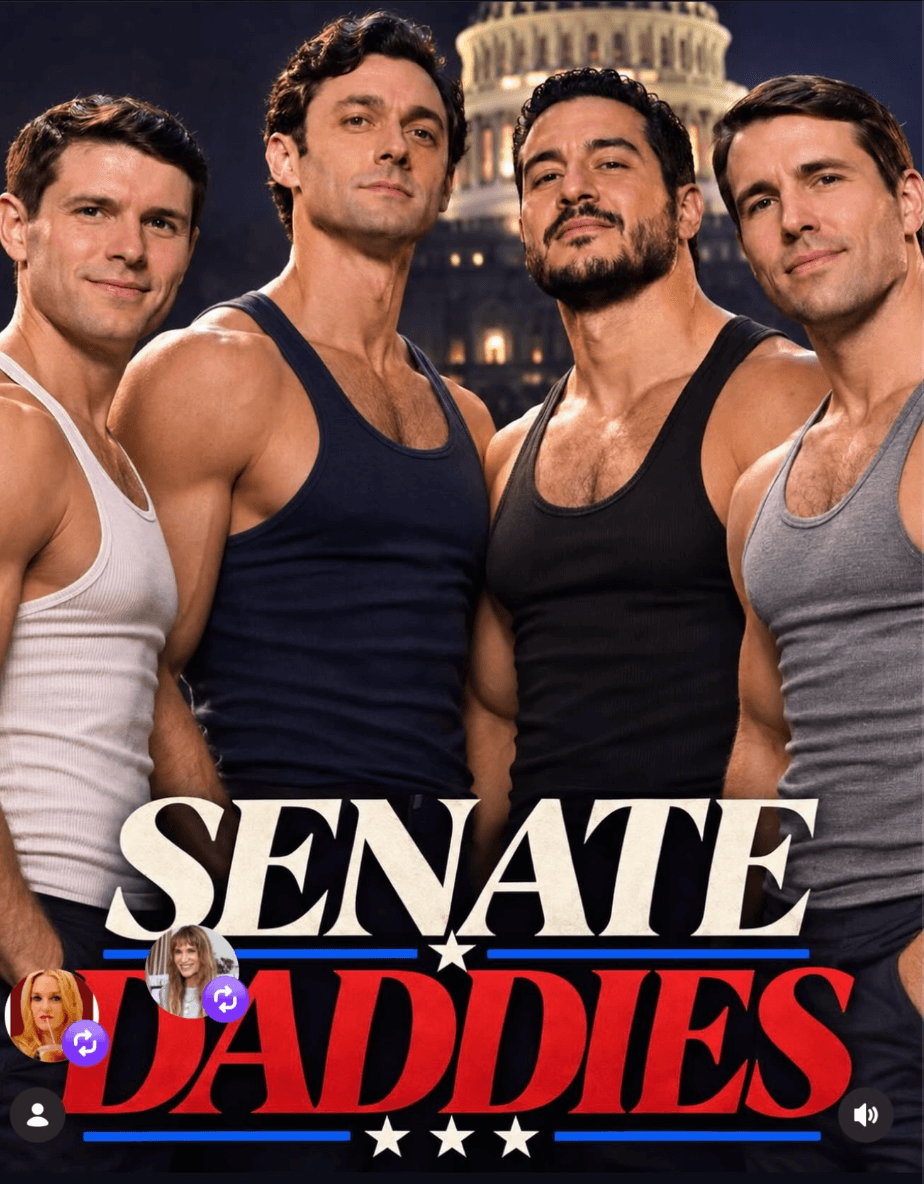
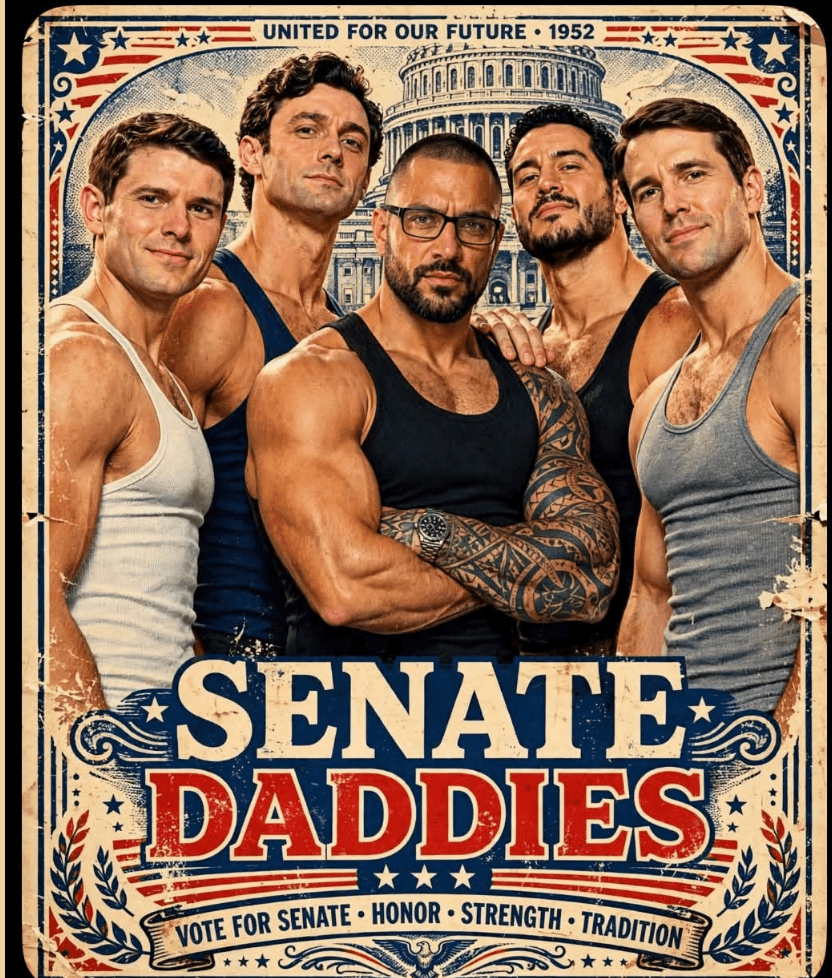
An analysis of social media posts collected through Sprout Social between November 2 and 9 found users describing the politicians with words such as hot, lindo (beautiful), and sexy.
AI-generated images, like those shown above, depicted the newly elected senators wearing tight-fitting shirts that accentuated their muscular arms and striking defiant poses. None of the images reviewed by DDIA researchers featured nudity or portrayed the politicians negatively. Instead, the synthetic content appeared designed to emphasize their sex appeal and attract attention from both women and LGBTQ+ audiences.
This is not the first time DDIA has documented the use of AI-generated imagery to amplify politicians' masculinity. During Argentina's last presidential campaign, Javier Milei was frequently depicted as a lion or a superhero, reinforcing an image of strength and power. As DDIA documented in its research on Milei's digital campaign, such imagery helped shape his online persona.
El-Sayed emerged as the clearest object of desire. On November 4, a Spanish-speaking X user “confessed” that politicians making thirst traps weren't on her bingo card. She already considered New York Mayor Zohran Mamdani attractive, but El-Sayed was something else: [melting face emoji] [hot face emoji]. Nine minutes later, she surrendered: "Oficialmente tengo un crush con Abdul El-Sayed [red heart emoji]."
In Portuguese, things got spicier. On November 5, a Bluesky user celebrated bisexuality because, instead of fighting over men, she and a friend could agree that El-Sayed was "um grande gostoso" (extremely hot). This user described him as Mamdani with anger in his heart – apparently an irresistible combination. Another user praised El-Sayed's ability to deliver harsh political remarks while smiling, calling it "lindo demais" (too cute).
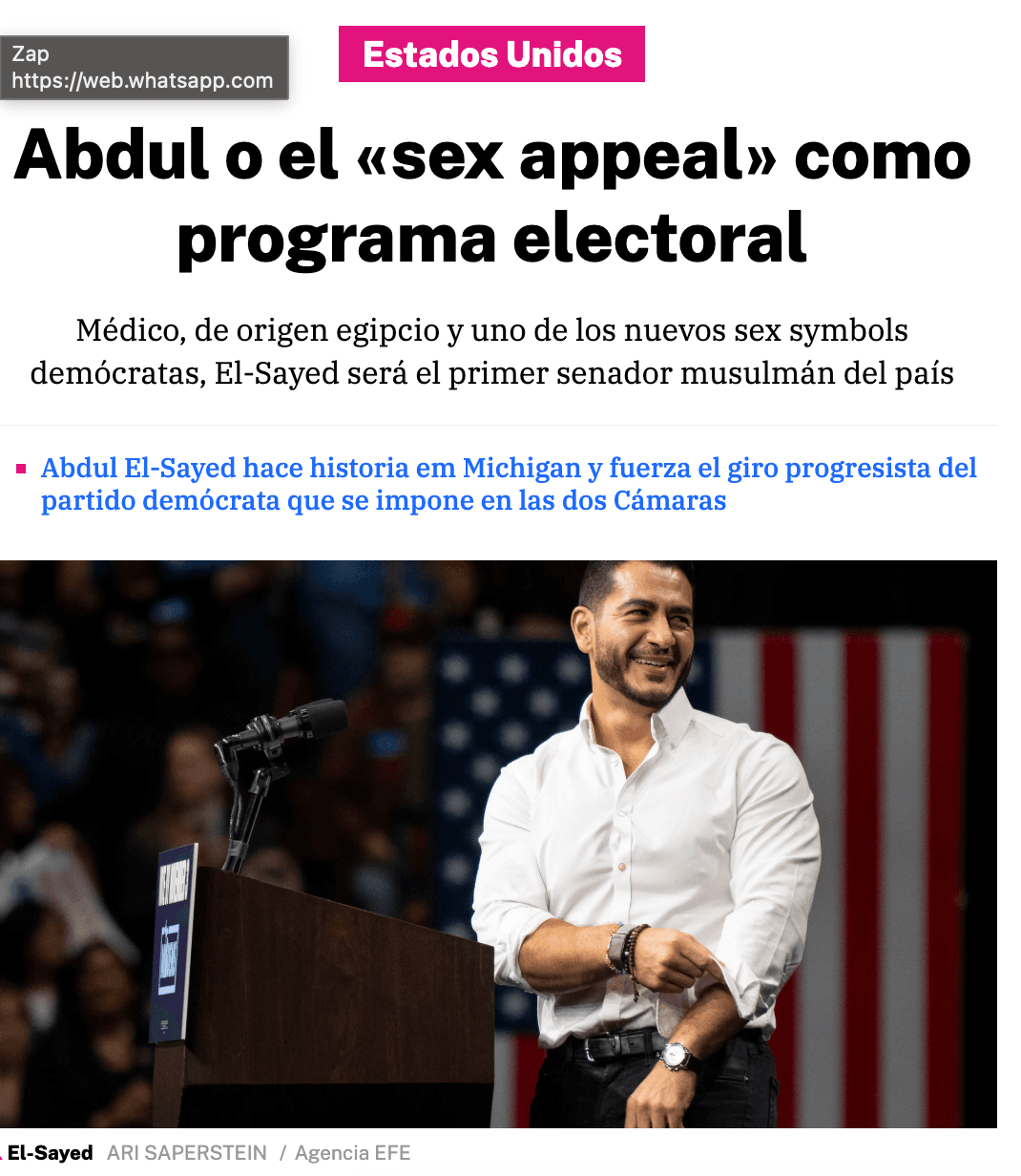
Even traditional media joined the flirting. On November 7, Spanish newspaper La Razón published a headline that could easily belong in a celebrity magazine: "Abdul o el «sex appeal» como programa electoral" (Abdul, or sex appeal as an electoral platform).
Ossoff and Talarico also received compliments, particularly in English-language posts. Ossoff was described as "incredibly hot" and presidential material, while Talarico earned the affectionate title of "cutie pie."
Methodology: DDIA collected and analyzed social media and messaging apps raw data using NewsWhip, Sprout Social, and Open Measures. The data collection used to back this newsletter took place between November 3 - 9, 2026. All searches were conducted in Spanish and English.