DDIA
-Oct 14, 2026
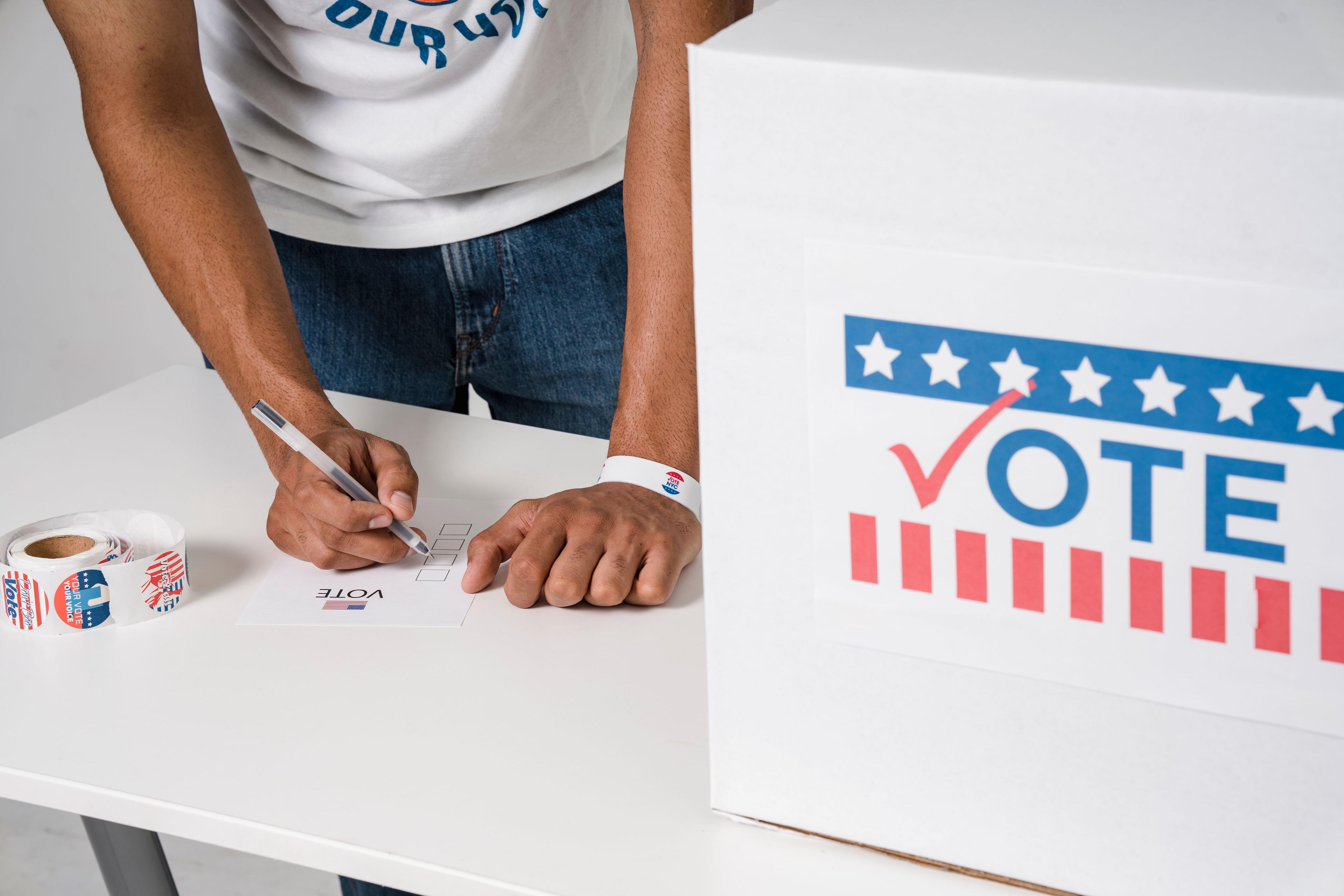
The November 3 midterms are just three weeks away, but claims of election fraud are already making a comeback (especially in English) in five states with significant Latino populations: Arizona, California, Michigan, Florida and Texas. DDIA's monitoring this week reveals how familiar conspiracy theories about stolen votes, noncitizen voting, and compromised voting machines are being recycled and repackaged around fresh controversies, lawsuits and routine election procedures. The goal? To make Americans question whether they can trust their elections before a single vote is counted. But we've seen this playbook before, both in the United States and across Latin America. By understanding how these narratives work, we can expose their flaws, debunk misleading claims, and help voters recognize the next wave of election disinformation before it spreads.
Leer más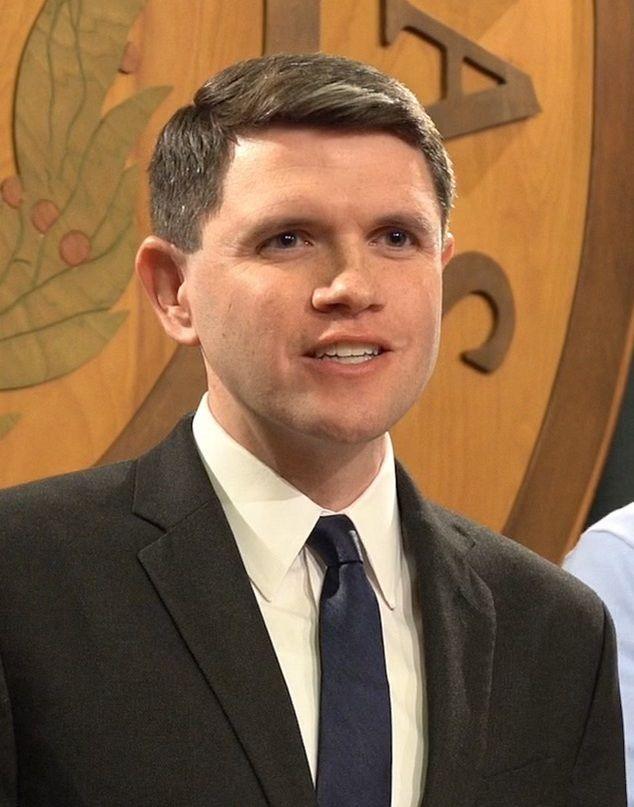
DDIA
-Oct 14, 2026
Texas Democratic Senate candidate James Talarico missed campaign events because of the flu, but conservative social media turned his absence into a conspiracy theory about psychiatric hospitalization just weeks before the midterms. DDIA’s monitoring reveals how the unfounded story jumped from English-language Telegram channels to Spanish-language accounts, picking up false allegations of attempted suicide and withdrawal from the race before corrections could catch up.
Leer más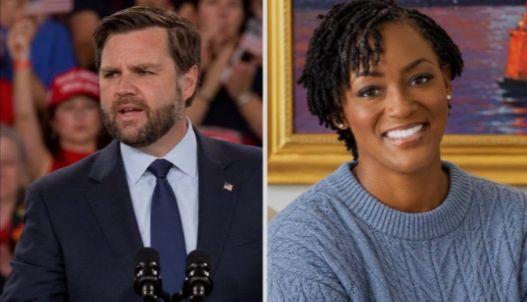
DDIA
-Oct 8, 2026
Vice President J.D. Vance’s declaration that Democratic Senate candidate Angie Nixon should “get the hell out” of the United States because of her ties to democratic socialism injected a familiar Republican strategy into Florida’s 2026 Senate race: using fear of socialism as a political weapon. DDIA analyzed Latinos’ reactions to it.
Leer más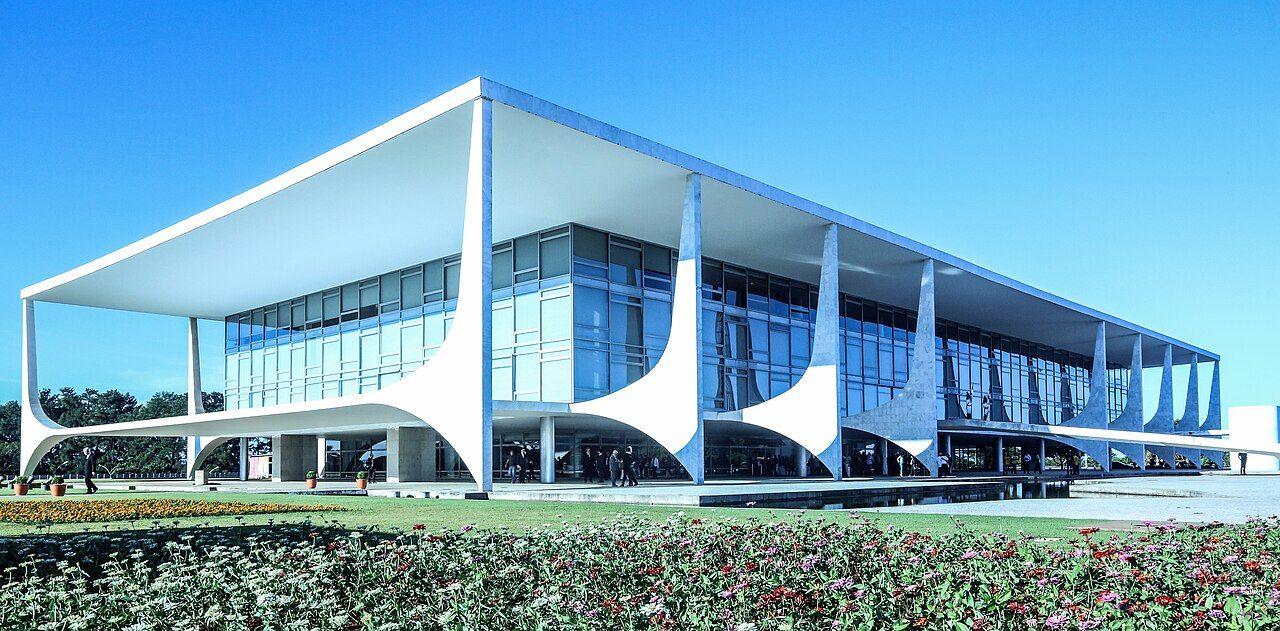
DDIA
-Oct 5, 2026
Brazil’s political crises have repeatedly echoed those of the United States roughly two years later, but often with greater intensity and deeper institutional consequences. After the right’s sweeping gains in Brazil’s 2026 elections, the country may now be entering its own Trump 2.0 moment, with the balance of power (and the future of its Supreme Court) at stake.
Leer más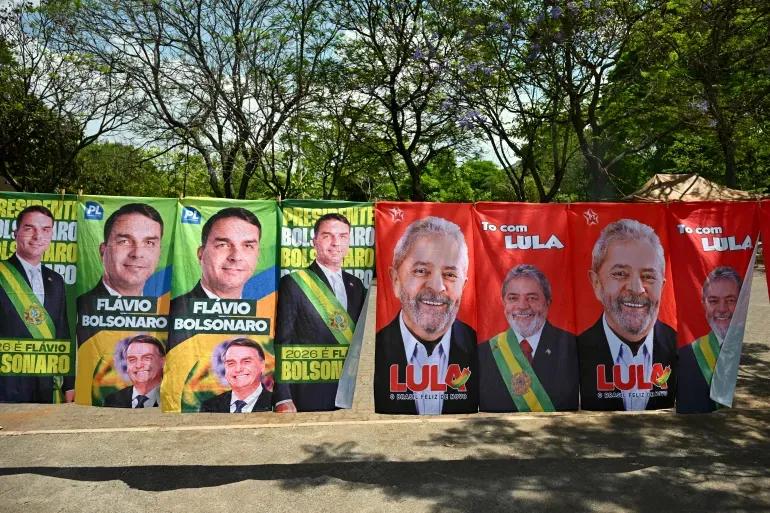
DDIA
-Oct 2, 2026
DDIA answers ten questions about the 2026 Brazilian elections.
Leer más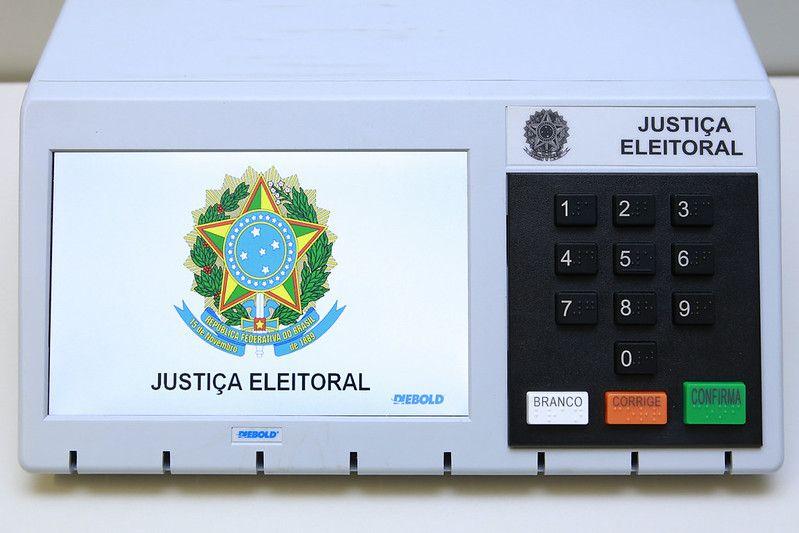
DDIA
-Oct 1, 2026
Between August 16 and September 28, Project VigIA, led by Agência Lupa, collected 1,941 pieces of political content suspected of using AI circulating across social media and messaging apps. Researchers analyzed 972 of them and confirmed 920 as AI-generated or manipulated
Leer más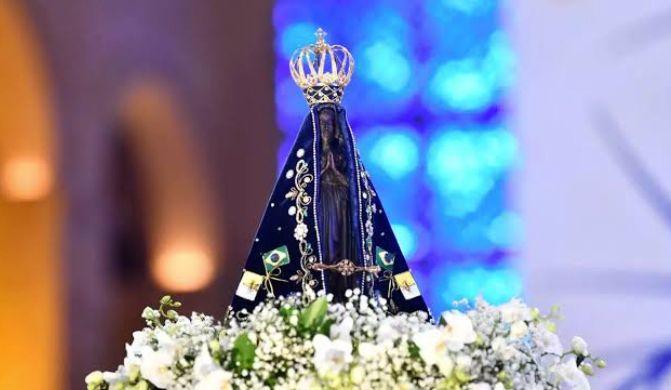
DDIA
-Oct 1, 2026
With Brazil’s first-round presidential vote days away, Lula and Flávio Bolsonaro are confronting controversies that have moved the campaign beyond traditional policy disputes: from religious disinformation and distorted statements to allegations involving expensive gifts and a politically explosive fight over online betting.
Leer más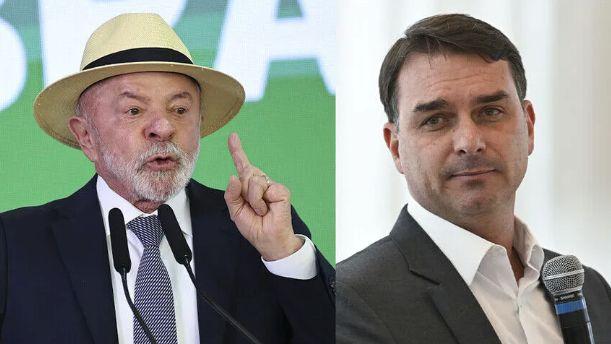
DDIA
-Oct 1, 2026
Brazil heads into Sunday’s presidential election in an incredibly polarized political environment shaped by high levels of rejection for the two leading candidates. Brazilian intelligence and media have warned about possible U.S. influence or interference.
Leer más